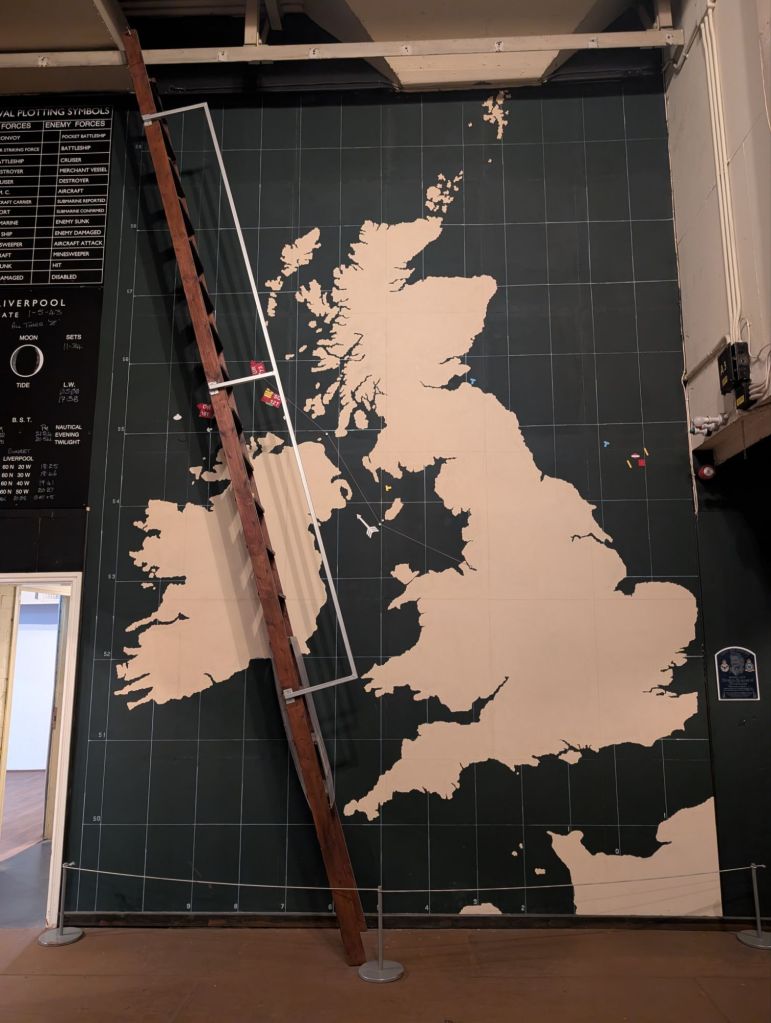
On my 45th trip around the sun, I decided to tick off a visit to this most inspirational piece of history. Western Approaches played a pivotal role in winning the Battle of the Atlantic. This museum is full of amazing memories and memorabilia from a time gone by. It really gives us a glimpse of the tremendous task they had keeping us fed.
The Battle of the Atlantic was a crucial struggle in which the Western Approaches Command played a decisive role in protecting vital shipping routes. Based in Liverpool, Western Approaches coordinated convoys, intelligence, and anti-submarine operations to defend merchant ships crossing the Atlantic. This was essential because the United Kingdom depended heavily on imported food and supplies, especially from the United States. German U-boats aimed to cut off these lifelines and starve Britain into surrender, making the safe transport of food, fuel, and materials a matter of survival. By improving convoy tactics, using radar and codebreaking, and directing escort ships, Western Approaches helped ensure that enough supplies reached Britain to sustain both its civilian population and war effort, contributing significantly to eventual Allied victory.
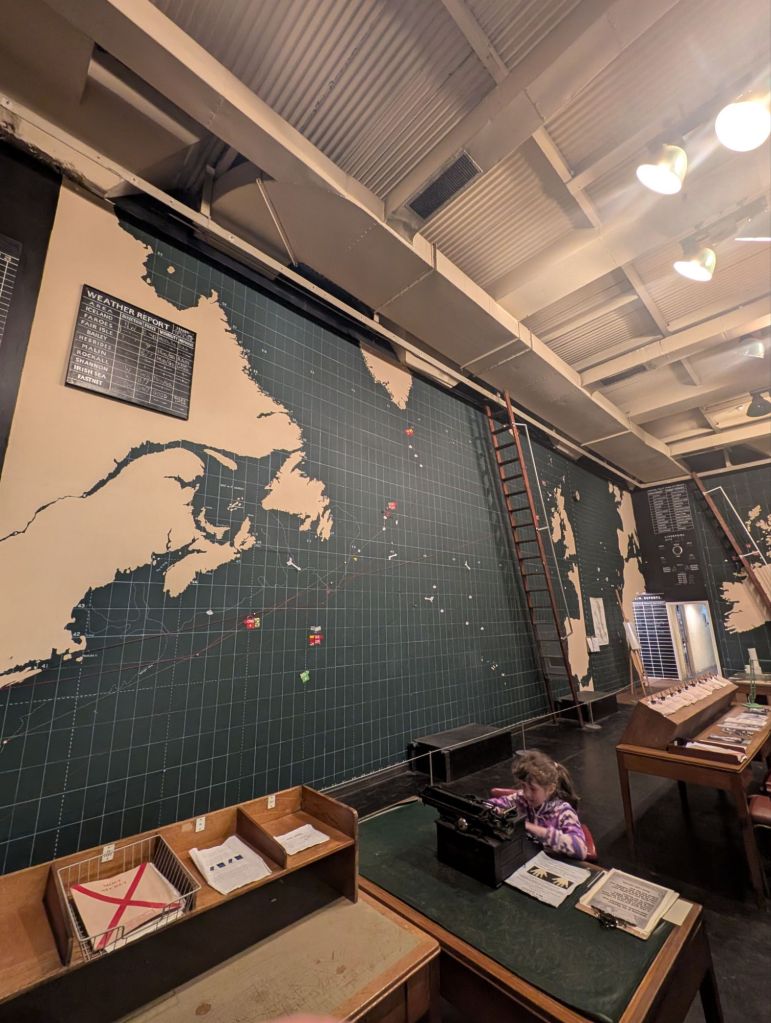
This was essential because the United Kingdom depended heavily on imported food and supplies, especially from the United States. Merchant ships carried large quantities of basic foods such as wheat for bread, meat including beef and pork (often frozen or canned), sugar, butter, cheese, and eggs (sometimes dried into powder for longer storage).
Other essentials like tea and coffee were also imported to maintain morale at home. German U-boats aimed to cut off these lifelines and starve Britain into surrender, making the safe transport of food, fuel, and materials a matter of survival. By improving convoy tactics, using radar and code breaking, and directing escort ships, Western Approaches helped ensure that enough supplies reached Britain to sustain both its civilian population and war effort, contributing significantly to eventual Allied victories.
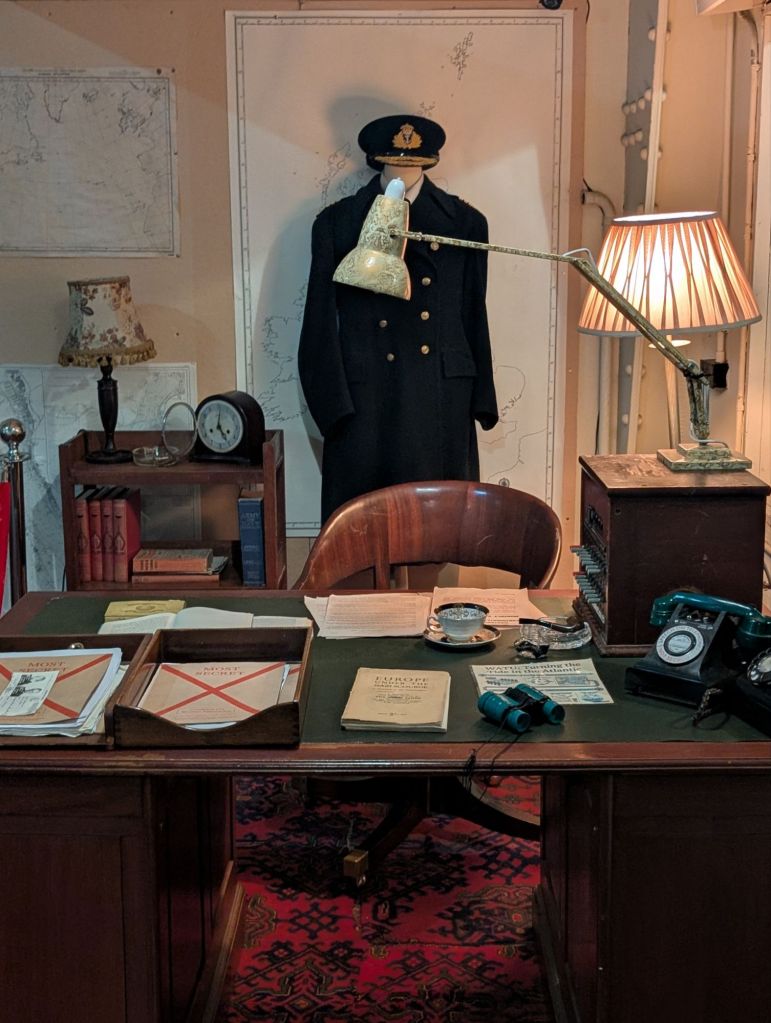
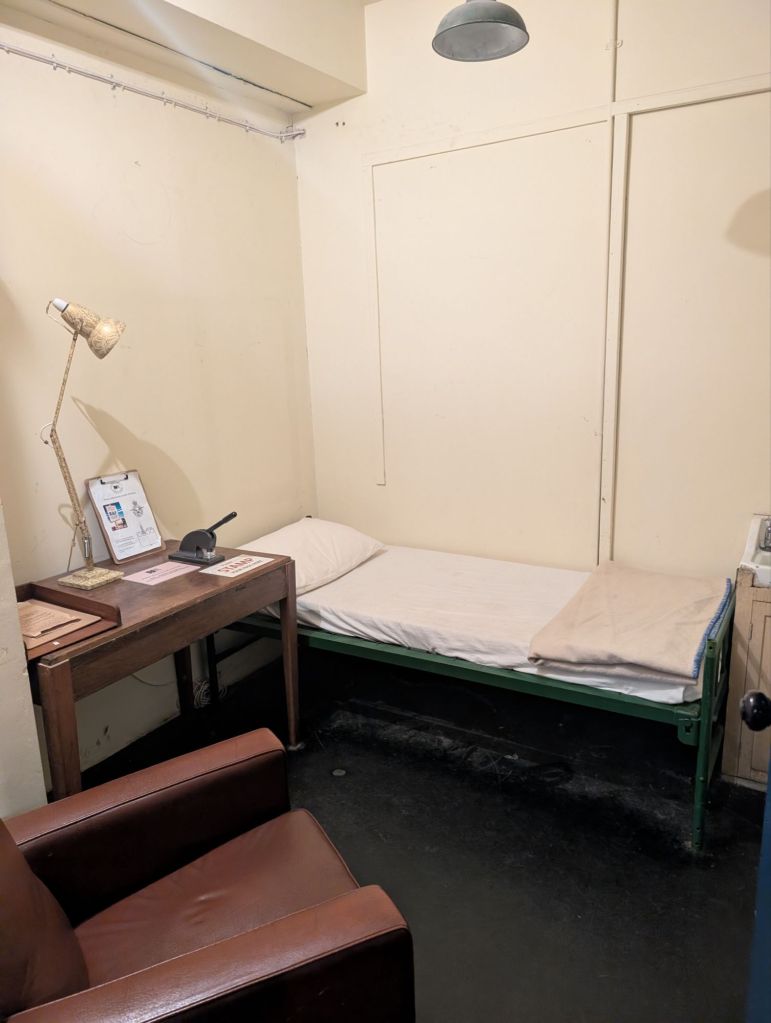
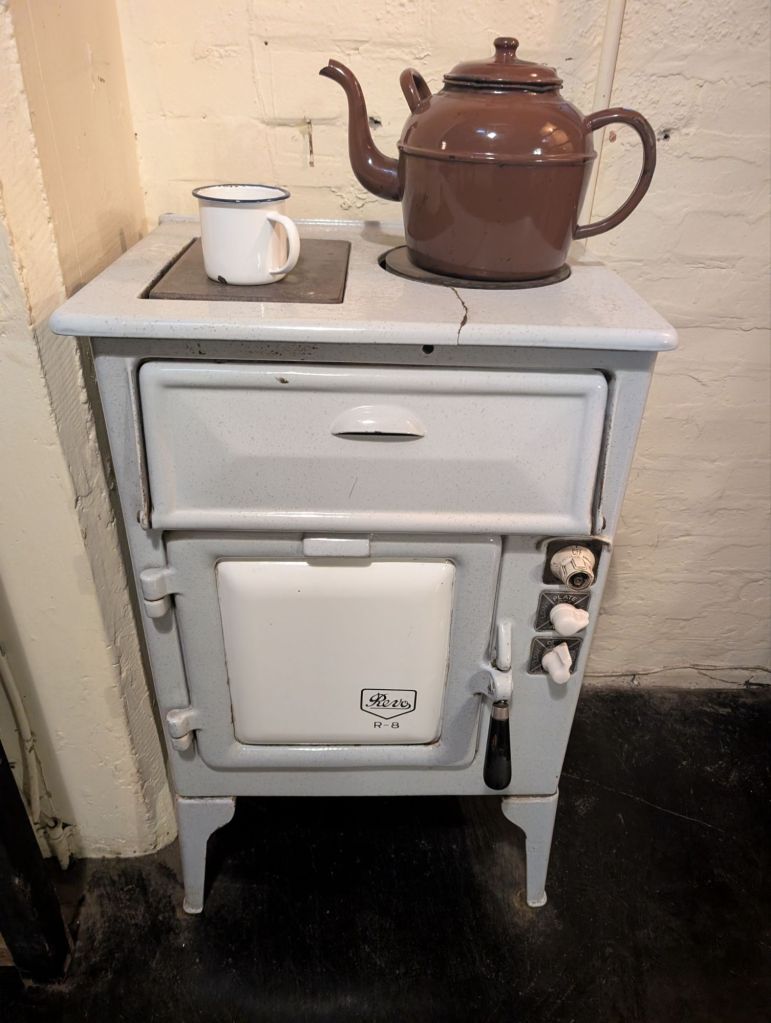
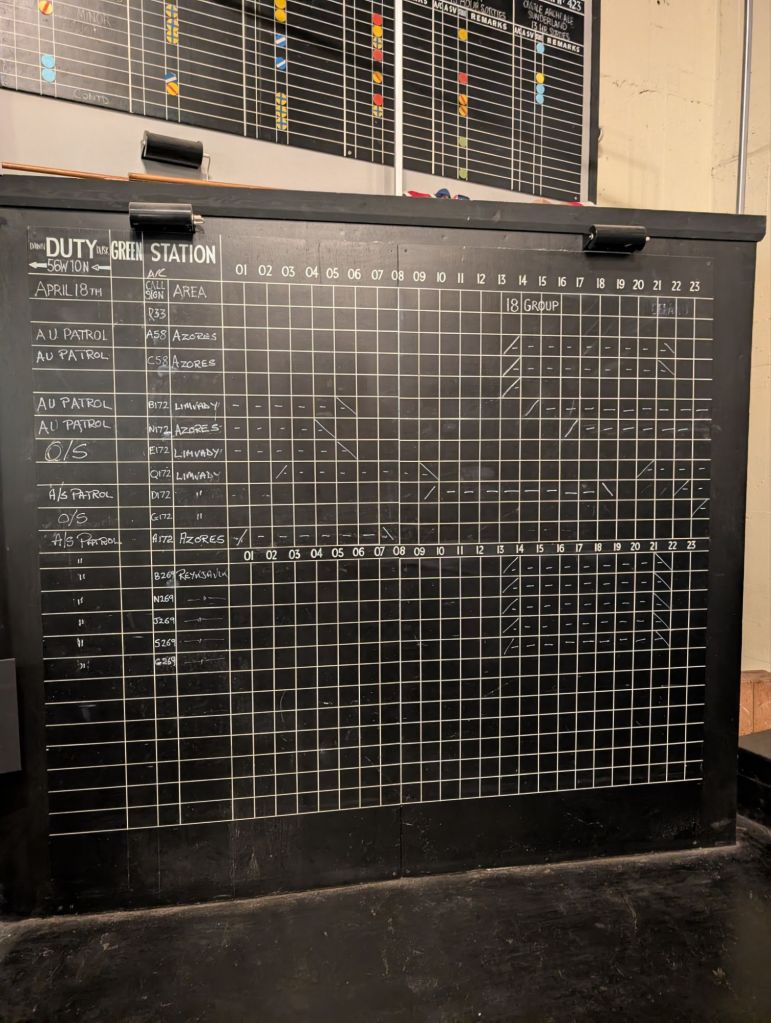
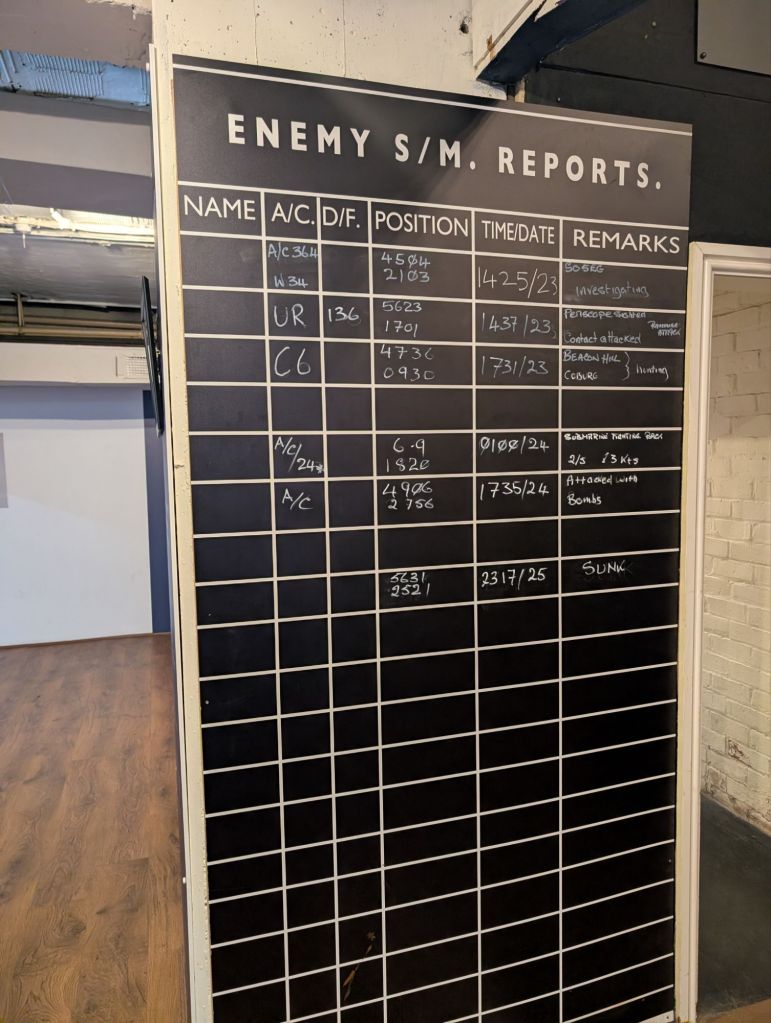
Life on site at the Western Approaches Command headquarters in Liverpool was intense and highly disciplined, as personnel worked around the clock to track and respond to threats during the Battle of the Atlantic. Many staff, including Wrens (members of the Women’s Royal Naval Service), officers, and ratings, effectively lived within the operations centre for long shifts, often sleeping in basic dormitories or rest areas between duties.
Conditions were cramped and tiring, with constant noise from telephones, radios, and plotting rooms where convoy movements were tracked in real time. Meals were simple and taken quickly so that staff could return to their stations, reflecting the urgency of their work. Despite the pressure, there was a strong sense of teamwork and purpose, as everyone knew their efforts were vital in protecting supply ships and ensuring Britain’s survival during the war.
If you’re ever in Liverpool with a couple of hours to spare. Please give this place a visit. This part of our history should be remembered.
Cheryl.


 Rooted In Rations
Leave a comment